Drywall repair service

Drywall Repair Palm Springs & Inland Empire

Drywall Patches, Texture Matching & Paint-Ready Repairs

Nail pops, cracks, holes, and water damage repaired clean. We match your existing texture so the patch disappears under paint.

Any Size
small to large
Texture Match
orange peel, knockdown
Paint Ready
primed and sanded
Water Damage
treated & repaired

Types of Drywall Damage We Repair

Every home develops drywall issues over time. Here's what's common and what causes each.

Nail Pops

As framing lumber dries and shrinks over time, nails or screws can push back through the drywall surface, creating visible bumps. Very common in newer homes in the first few years. Fixed by driving new screws nearby and filling the pop with compound.

Settlement Cracks

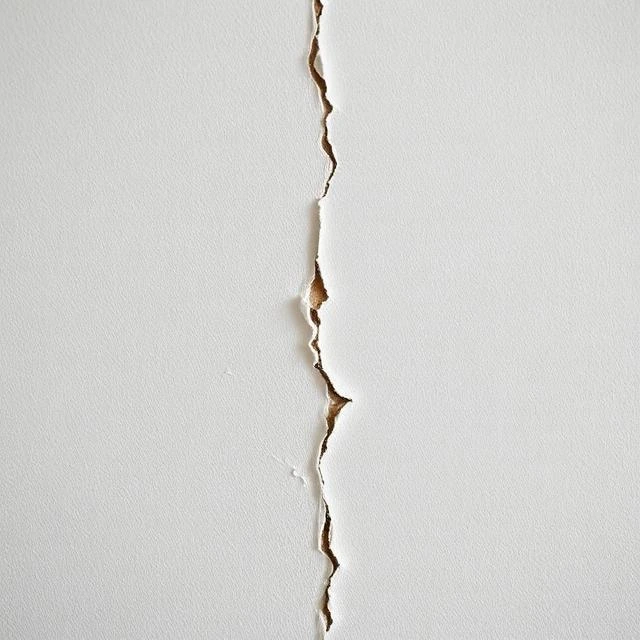
Hairline cracks — particularly at corners, above doors and windows, and at taped seams — result from normal foundation movement and thermal expansion. Common in desert climates where temperature swings are extreme. Require proper tape-and-mud technique, not just caulk.

Holes

From doorknob impacts, accidental kicks, removed fixtures, or plumbing access. Small holes under 2" use self-adhesive mesh patches. Holes up to 6" use a backing board method. Larger holes require cutting back to studs and installing new drywall.

Water Damage

Staining, soft spots, and bubbling from roof leaks, plumbing failures, or AC condensate issues. The source must be fixed before any drywall repair — we won't patch over an active leak. Water-damaged drywall is cut out entirely and replaced; it cannot be dried and reused.

Corner Bead Damage

Metal or vinyl corner bead at outside corners gets dented, bent, or separates from the wall over time. Damaged sections are removed and replaced, then mudded and blended back into the adjacent surface.

Tape Failures

Seam tape that was improperly installed or applied over a wet or dirty surface can bubble, crack, and separate. The old tape is removed, the joint cleaned, new tape embedded in compound, and the area re-mudded over multiple coats.
Texture Matching — The Hard Part Done Right

Getting the patch invisible requires matching the existing texture exactly. Here are the most common textures in Southern California homes:

Orange Peel

The most common texture in tract homes built after the 1980s. Looks like the skin of an orange — small, uniform bumps applied with a spray hopper. Matching requires the right compressor settings, nozzle size, and compound consistency. A perfect match is achievable with practice and the right equipment.

Knockdown

Compound is splattered onto the wall and then "knocked down" with a knife while still wet, creating irregular flat islands. Popular in custom homes and renovated properties. Texture depth and pattern vary significantly — matching requires assessing the original pattern before starting.

Skip Trowel

Applied by hand with a curved trowel, creating a layered, irregular surface with thin areas and thick patches. Common in Spanish, Mediterranean, and custom-built homes. Among the hardest textures to match perfectly — hand application means every applicator leaves a slightly different pattern.

Smooth / Level 5

No texture — just perfectly smooth painted drywall. Common in modern and contemporary homes. Requires a Level 5 finish: skim coat over the entire surface plus all seams and fasteners. Easier to match than textured surfaces because any imperfection requires the same fix: skim the whole area.

Popcorn Ceiling

Common in homes built before the 1980s. Contains small styrofoam or vermiculite bits in a spray-applied compound. Note: popcorn texture installed before 1978 may contain asbestos and should be tested before any disturbing work. We can match new popcorn patches on non-hazardous ceilings.

The Repair Process, Step by Step

Each step matters. Skipping any of them is why some patches are visible 6 months later.

01

Assess & Prepare

Check for moisture, mold, and structural issues. Clean the repair area. Cut back damaged drywall to solid edges if needed.

02

Patch or Install

Small holes: mesh patch. Medium holes: backing board with new drywall piece. Large areas: cut to studs and hang new board.

03

Tape (Where Needed)

Paper or fiberglass mesh tape embedded in the first coat of compound on all new seams. This prevents future cracking at the joint.

04

Mud in Coats

Two to three coats of joint compound, feathering wider each coat. Each coat must dry completely before the next. Desert air speeds drying.

05

Sand & Texture

Sanded smooth (or to texture base), then texture applied to match existing walls. The texture blend area is larger than the repair to help it disappear.

06

Prime & Hand Off

The repaired area is primed before painting. Primer seals the compound and ensures paint adheres evenly without flashing (shiny patches).

When to Repair vs. Replace Drywall

Repair Is Fine When:

  • Hole is isolated and the surrounding drywall is solid
  • Cracks are cosmetic, not structural
  • No mold or active moisture
  • Damage area is under ~4 square feet

Full Replacement When:

  • Water damage has softened or crumbled the board
  • Mold growth is present in or behind the board
  • Large area (several panels) is affected
  • Multiple old repairs have created a lumpy, inconsistent surface

Common Questions

Can you match my exact texture?

Usually yes. Orange peel and knockdown are predictable and matchable with the right equipment. Skip trowel is harder — hand application varies by installer. We'll look at the existing texture and give you an honest assessment before starting.

Will the patch be visible after painting?

A properly done repair should not be visible under paint in normal lighting. Under raking light (a bare bulb held close to the wall), even good repairs may show slight variations — this is normal and not visible under typical room lighting conditions.

How big a hole can you patch without replacing the whole wall?

Holes up to 6 inches are patched with a backing board method. Holes 6 inches to several feet require cutting back to studs and installing a new drywall section, but the rest of the wall stays. Only very large damage — multiple panels — typically warrants full wall replacement.

Do you paint after the repair?

We deliver the repair primed and ready for paint. Painting is a separate service — we can include it, or you can have your own painter handle it. We'll let you know which approach makes the most sense for your specific repair.

Get a Free Drywall Repair Quote

Describe the damage and we'll give you a clear estimate.