Gravel and xeriscape landscaping

Gravel & Xeriscape Palm Springs & Inland Empire

Desert-Smart Yards That Look Great and Use Zero Water

Gravel and xeriscape landscaping built for Coachella Valley heat — weed barrier, edging, the right material for your space, and a clean finished look.

Zero Water
after install
5 Types
of gravel available
Weed Barrier
permeable fabric
Clean Edging
steel or plastic

What Is Xeriscape — and Why Does It Matter Here?

Xeriscape (from the Greek "xeros" meaning dry) is a landscaping approach designed to dramatically reduce or eliminate irrigation. In the Coachella Valley, where summer temperatures regularly exceed 110°F and water rates continue to climb, it's not just a trend — it's the practical choice.

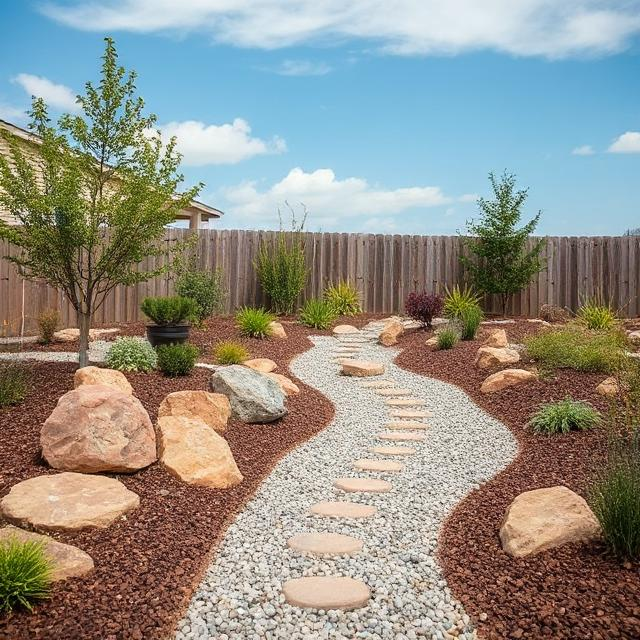
A well-done xeriscape yard uses a combination of gravel, boulders, desert-adapted plants, and hardscape to create a yard that looks intentional and finished — not just a pile of rocks. The goal is a low-maintenance, drought-tolerant landscape that holds up year-round without a sprinkler system.

  • Eliminates lawn watering costs entirely
  • Reduces HOA water violations in drought restrictions
  • No mowing, no fertilizing, no seasonal replanting
  • Can qualify for local water district rebates
Xeriscape yard with gravel and desert plants

Types of Gravel We Install

Each material has different properties — here's what to know before you choose.

Decomposed Granite (DG)

The most popular choice in the desert Southwest. DG is finely crushed granite that compacts into a firm, walkable surface. Available in tan, gold, brown, and grey tones. Works well for paths, driveways, and large open areas. Stabilized DG mixes with a binder to reduce tracking and erosion.

Best for: paths, driveways, large yards

Pea Gravel

Small, smooth, rounded stones — typically 3/8" to 1/2" — in mixed natural colors of tan, brown, grey, and white. Comfortable underfoot and great for play areas and plant beds. Because it doesn't compact, it stays loose and can shift under foot traffic over time.

Best for: plant beds, casual walkways, dog runs

River Rock

Water-worn smooth stones ranging from 1" to 4"+ in size. Natural mixed colors — tans, greys, and browns. Creates a natural, polished look. Excellent around plants and for dry stream beds that direct seasonal water flow. Heavier than DG, so it stays put well.

Best for: planting beds, dry creek beds, borders

Crushed Stone / Road Base

Angular crushed rock that locks together under compaction. Harder and more stable than DG. Used for driveways, heavy-traffic areas, and as a sub-base under pavers. Grey is the most common color. Not typically used as a finished decorative surface.

Best for: driveways, base layers, utility areas

Lava Rock

Lightweight volcanic rock with a highly textured surface. Available in red, black, and brown. Its porous surface holds some moisture, which can benefit nearby plants. Distinctive desert aesthetic, though the dark colors absorb more heat than lighter gravels.

Best for: accent areas, plant beds, visual contrast

White / Marble Chips

Bright white or cream crushed marble or limestone. Highly reflective — great for heat mitigation in the desert. Creates a clean, modern look that photographs well. Can be used to brighten shaded corners or create a contemporary minimalist aesthetic.

Best for: modern yards, poolside, accent areas
Sizes Available

Size affects both function and aesthetics. Smaller materials compact and stay in place; larger materials are purely decorative.

3/8" (Pea Gravel / Fine DG)

Small, walkable, covers fine detail areas. Good for paths and tight spots between plants.

3/4" (Standard Gravel)

The most common landscape size. Covers well, looks balanced, and works in most applications.

1.5" (Medium Rock)

More visual weight. Less likely to scatter. Good for open beds and areas not frequently walked on.

2"–4" Cobble

Large decorative stone. Used as accent, border material, or around feature plants and boulders.

Color Options

Color has a real effect on both aesthetics and heat. Lighter tones reflect heat; darker tones absorb it.

Tan / Gold

Classic desert look. Works with adobe, stucco, and warm-tone homes.

Grey

Modern and neutral. Popular for contemporary homes and clean-lined yards.

White

High contrast and reflective. Great near pools and modern architecture.

Black

Bold and dramatic. Gets hot in direct sun — best for shaded or decorative zones.

Red Lava

Striking southwestern color. Lightweight and porous — good for plant beds.

Mixed / Natural

Multi-tone blends that mimic natural streambeds. Very forgiving and natural-looking.

How We Install Gravel Landscaping

Good gravel installs last for years. Shortcuts show up fast — weeds, shifting material, poor drainage.

01

Clear & Grade

Remove existing grass, weeds, and debris. Grade the surface for positive drainage away from the home's foundation.

02

Install Edging

Steel or heavy-duty poly edging defines the border and keeps gravel from migrating into lawn areas, driveways, or walkways.

03

Lay Weed Barrier

Permeable woven landscape fabric goes down before the gravel. It allows water to drain while blocking the light seeds need to germinate.

04

Place & Compact

Gravel is spread evenly to the target depth — typically 2–3 inches. DG and compactable materials are compacted for a firm finish.

How Much Gravel Do You Need?

Gravel coverage depends on the material and depth. Here's a simple guide for planning:

Depth Coverage per ton Good for
1 inch ~160–200 sq ft Light top-dress refresh
2 inches ~80–100 sq ft Standard landscape beds
3 inches ~55–65 sq ft Recommended for weed suppression
4 inches ~40–50 sq ft Driveways and heavy traffic

These are approximations — actual coverage varies by stone density and size. We'll calculate exact quantities as part of the quoting process.

Why Homeowners Choose Gravel in the Desert

Zero Irrigation

Once installed, gravel never needs watering. Significant savings on water bills and no irrigation system to maintain or repair.

Minimal Maintenance

No mowing, edging, fertilizing, or seasonal planting. An occasional rake to redistribute material and remove debris is all that's needed.

Cooler Than Concrete

Lighter-colored gravel reflects more heat than dark concrete or asphalt, and the air gaps between stones can keep surface temperatures lower.

Good Drainage

Permeable gravel lets rainwater soak through rather than run off, reducing puddles, erosion, and foundation water issues.

Long Lifespan

Quality gravel doesn't rot, fade significantly, or need replacing. A well-installed xeriscape can look great for 10–15+ years with minimal upkeep.

Clean, Finished Look

With proper edging and a consistent material, gravel yards look intentional and polished — not like an afterthought.

Common Questions

Does gravel get hot in the desert sun?

Dark materials like black lava rock absorb heat and can be very hot underfoot in summer. Lighter-colored materials — tan DG, white marble chips, grey granite — reflect more heat and are significantly cooler. For areas people walk on barefoot, we recommend lighter tones or materials with more shade.

How deep should gravel be installed?

Two to three inches is the sweet spot for most landscaping. At 2 inches, some light weeds may still push through over time. At 3 inches, weed suppression is much better. For DG paths and driveways, 4 inches provides a more stable, compacted surface.

Can I mix types of gravel in one yard?

Yes, and it often looks better. A common approach: DG or compacted base for open areas and paths, then larger river rock or cobble in the planting beds around cacti and succulents. Different materials in different zones add texture and keep the yard from looking monotonous.

What about weeds — does gravel stop them?

A quality weed barrier fabric plus 2–3 inches of gravel significantly reduces weeds. It won't stop everything — wind-blown seeds can germinate on top of the gravel over time — but maintenance is dramatically less than a lawn. Occasional spot treatments handle what gets through.

Is there a water district rebate for removing lawn?

Many Coachella Valley and Inland Empire water districts offer lawn-to-desert conversion rebates. We recommend checking with CVWD, EMWD, or your local water agency before the project — rebate amounts and program availability change seasonally.

Get a Free Gravel / Xeriscape Quote

Tell us your yard size, material preferences, and location and we'll get back to you quickly.