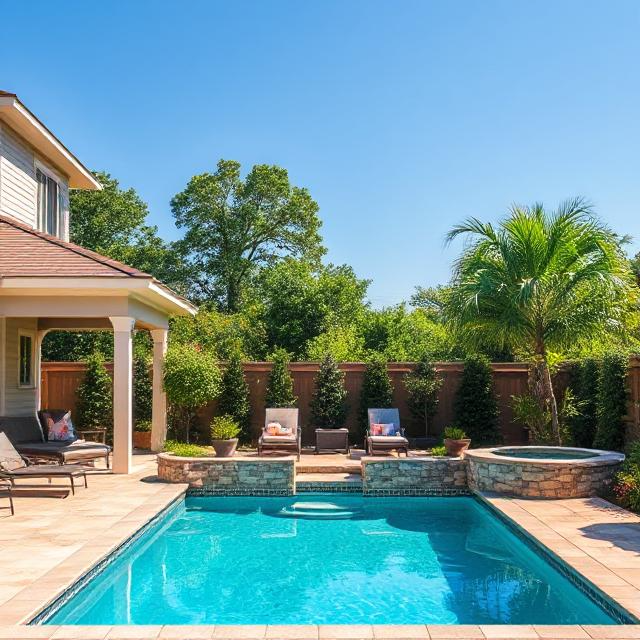
Pool remodeling service

Pool Remodeling Palm Springs & Inland Empire

Pool Updates That Make a Real Difference

Replastering, new coping, deck resurfacing, and waterline tile for pools across Palm Springs and the Inland Empire. We focus on the finishes that actually change how the pool looks and feels.

Plaster
white, pebble, quartz
Coping
stone, travertine, brick
Decking
cool deck, pavers
Tile
waterline & accent

What a Pool Remodel Actually Covers

"Pool remodeling" ranges from a single surface refresh to a comprehensive upgrade of all visible and structural elements. Most homeowners don't need to do everything at once — we can help prioritize what will have the most impact for your specific pool.

  • Interior finish (plaster, pebble, quartz, or fiberglass)
  • Coping — the cap stone or concrete around the pool edge
  • Deck resurfacing or replacement
  • Waterline tile — the decorative band at the water surface
  • Steps, benches, and in-pool features
Pool remodeling in Palm Springs

Pool Interior Finish Options

The interior finish defines the water color, texture, and how long before you'll need to redo it.

Standard White Plaster

The original pool finish — white Portland cement mixed with marble dust. Creates the classic aqua-blue water color when combined with normal water. The most affordable interior finish. Lifespan of 7–12 years in the desert before roughness and staining require replastering.

Lifespan: 7–12 years

Quartz Aggregate

Ground quartz crystals mixed into the plaster. Creates a shimmery, slightly sparkled finish and is significantly harder than standard plaster. Stain-resistant and resists the surface deterioration that shortens plain plaster life. Available in white, grey, and blue tones.

Lifespan: 12–20 years

Pebble Finish

Small natural pebbles embedded in plaster, exposed at the surface. Creates a rich, natural, resort-style appearance with excellent durability. Water takes on deeper, more varied colors depending on pebble color — blues, greens, and grays are popular. The rougher surface requires water chemistry attention.

Lifespan: 15–25 years

Fiberglass Resurfacing

Applied over existing plaster shells on eligible pools. Creates a smooth, non-porous surface that resists algae growth and staining. Requires less chemical maintenance than plaster. Not applicable to all pool shapes and conditions — an assessment is needed.

Lifespan: 15–20+ years

Coping — The Cap Around the Pool Edge

Coping is the material that forms the top edge of the pool shell. It's what you step on when entering the pool, grab when swimming, and see most prominently from the patio. Replacing old or cracked coping is one of the highest-impact cosmetic changes you can make.

Cantilever Concrete

Poured concrete that overhangs the pool edge slightly, creating a seamless look with the deck. Clean and modern. The most common original coping on tract-built pools. Can be resurfaced or replaced.

Travertine

Very popular in the Coachella Valley. Stays cooler than concrete or dark stone, looks beautiful, and complements desert architecture. Requires sealing. The natural tumbled edge gives a softer, resort look.

Natural Stone

Limestone, bluestone, and flagstone are common choices. Each has distinct color and texture. Natural stone adds character and pairs well with gardens and landscaped yards. Porosity and maintenance needs vary by stone type.

Brick

Classic look for traditional and Spanish-style homes. Durable and non-slip. Pairing brick coping with a new plaster and travertine deck creates a warm, cohesive look popular in Palm Springs historic homes.

Pool Decking in the Desert Heat

Deck material choice is more critical in Palm Springs than almost anywhere else — surface temperatures in summer can make or break the comfort of your pool area.

Cool Deck

A trademarked cementitious coating applied over existing concrete. Specifically engineered to reflect heat and stay cool underfoot. Surface temperatures run 30–40°F cooler than plain concrete. Textured for slip resistance. A very practical desert-specific choice.

Best for desert heat: Yes

Travertine Pavers

Highly reflective natural stone that stays remarkably cool due to its light color and air pockets. The standard for high-end desert pools. Naturally slip-resistant when tumbled or filled. Requires sealing but is otherwise low-maintenance and ages beautifully.

Best for desert heat: Yes

Concrete Pavers

Available in light colors that reflect heat reasonably well. More affordable than natural stone, widely available in the desert region, and easy to replace individual units if cracked. Permeable paver systems also manage water runoff effectively.

Best for desert heat: Moderate

Broom-Finish Concrete

Standard concrete with a broom texture for slip resistance. The most affordable deck option. In lighter colors, it performs adequately in the desert. Dark or bare grey concrete in full sun is uncomfortably hot. Consider a Cool Deck overlay on existing plain concrete as a cost-effective upgrade.

Best for desert heat: Light colors only

Pool Tile — Waterline and Accent

The waterline tile band sits at the water surface and protects the pool shell from the chemical and thermal effects of the water line — while adding significant visual interest.

Why Waterline Tile Matters

The water line is where calcium and mineral deposits from pool water and evaporation accumulate. Tile at this zone is non-porous (unlike plaster) and can be cleaned with tile cleaners without damaging the pool finish. The tile also protects the plaster at the waterline from the accelerated deterioration that occurs at the air-water interface.

Tile Colors and Patterns

The waterline tile band is typically 6" tall and runs around the perimeter of the pool. Options range from simple blue, white, or aqua tiles (the classic look) to glass mosaic with complex patterns, iridescent finishes, and bold geometric designs. The tile band is often replaced when replastering — the two projects share downtime and the tile has often deteriorated comparably.

Glass Mosaic vs. Ceramic/Porcelain

Glass mosaic tiles are the premium choice — brilliant color, reflective underwater, and non-porous so they resist staining and calcium buildup better than ceramic. Ceramic and porcelain pool tiles are more affordable and come in many classic colors and patterns. Both work well; glass is more dramatic and higher-maintenance (grout must be addressed if it deteriorates).

When to Repair vs. Remodel

Repair Makes Sense When:

  • A few tiles have come loose or cracked
  • A section of coping has cracked or lifted
  • Plaster is still in its first half of life but has a stain or minor crack
  • Equipment issue (pump, filter, heater) unrelated to surfaces

Remodel Makes Sense When:

  • Plaster is rough, stained throughout, or beyond 10+ years old
  • Coping is deteriorating all around the pool
  • Deck is cracked, spalling, or holding heat uncomfortably
  • You're updating the overall yard aesthetic

Common Questions

How long does pool plaster last?

Standard white plaster: 7–12 years in the desert, where hard water and UV are harder on finishes than moderate climates. Pebble and quartz aggregate: 15–25 years. Signs it's time: rough texture, persistent staining, exposed aggregate from worn plaster, and structural cracks.

What's the most affordable way to update a pool's appearance?

Replacing the waterline tile only is the most targeted cosmetic refresh. New coping (especially switching from plain concrete to travertine) has a dramatic visual impact. A Cool Deck resurfacing of the existing concrete deck improves both comfort and appearance without full deck demolition.

How long does replastering take?

The actual plastering work takes 1–2 days. Full downtime from draining to swim-ready is typically 7–14 days including draining, prep, plaster application, refilling, and water chemistry balancing.

Why is deck material so important in Palm Springs?

Pool deck surface temperatures in summer Palm Springs heat can exceed 150°F on dark or non-reflective surfaces. Cool Deck coatings and travertine pavers run 30–50°F cooler than plain grey concrete under the same conditions. For a pool you actually want to use in the summer, this is not a minor detail.

Get a Free Pool Remodel Quote

Tell us what your pool needs — plaster, coping, deck, tile — and we'll follow up.